
Remote Patient Monitoring
Billing & Compliance
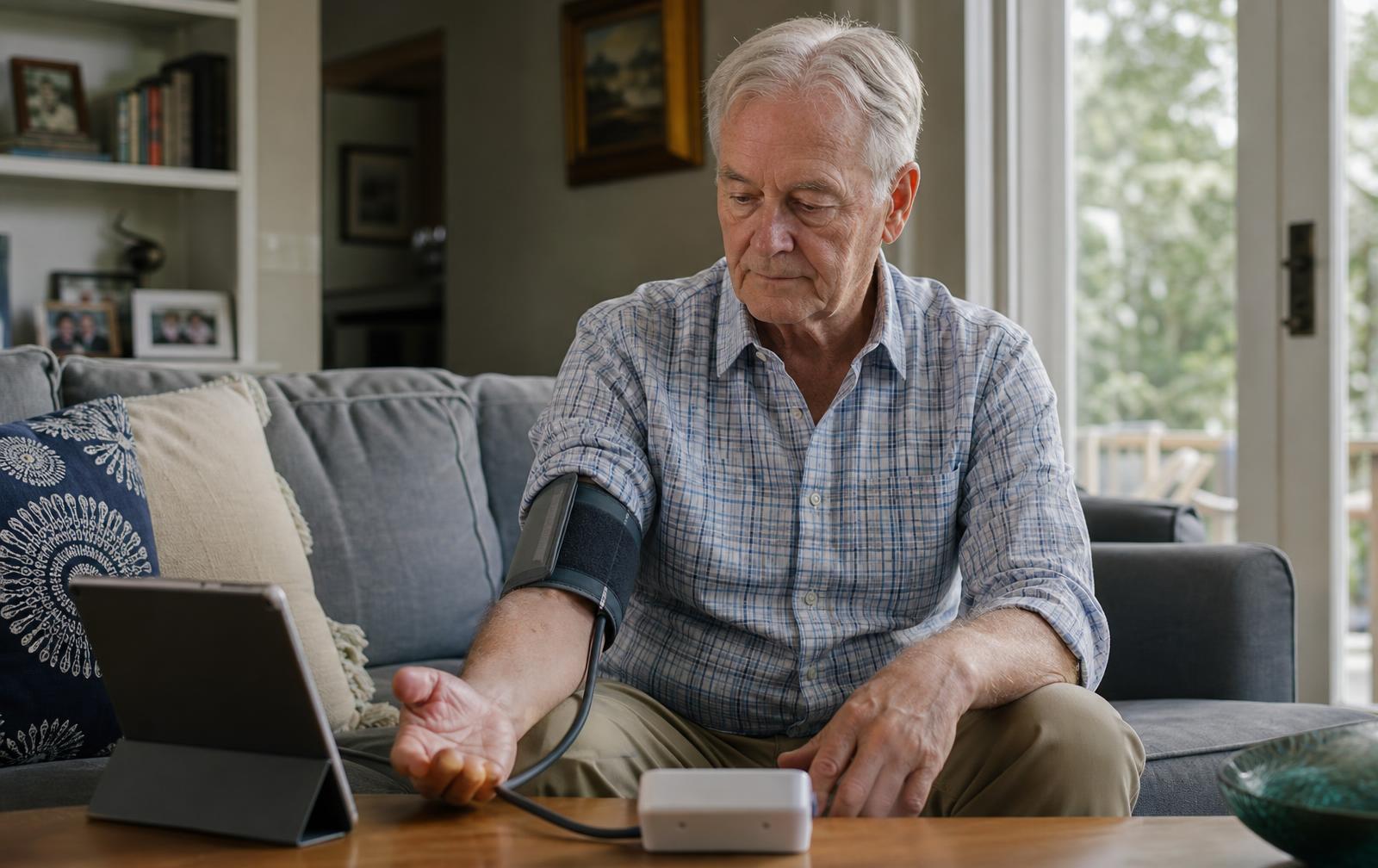
RPM covers connected devices — blood pressure cuffs, glucose monitors, pulse oximeters and scales — that transmit patient readings remotely. We track transmission days and clinical review minutes so each enrolled patient bills correctly every month.
Core RPM CPT codes managed
Transmission threshold tracked
Device supply billing period
Clinical review increment
The RPM Codes We Bill
RPM revenue is split across setup, device supply and clinical review. Missing any one of them leaves money in the program that never reaches a claim.
Initial setup and patient education on device use
A one-time charge per episode of care covering enrollment, device setup and training the patient on how to use the equipment and transmit readings.
Device supply with daily recordings or programmed alerts
Billed per 30-day period and requires at least 16 days of readings within that period. Transmission-day shortfalls are the single most common reason this code is denied, which is why we monitor day counts continuously rather than at month end.
First 20 minutes of monthly clinical review and management
Covers treatment management services with interactive communication with the patient or caregiver during the calendar month, requiring at least 20 minutes of clinical staff, physician or qualified health professional time.
Each additional 20 minutes of monthly review
Add-on to 99457 for each further complete 20-minute increment of monitoring and management time in the same calendar month.
RPM coverage rules and time requirements are set by CMS and individual payers and are updated periodically. Our coding team validates your documentation against current guidance before submission.
Before & After DrCareMSO
RPM fails on operations, not on clinical value. Transmission gaps and unlogged review minutes are what erode the revenue.
Per-Patient Monthly Revenue, Not a One-Time Charge
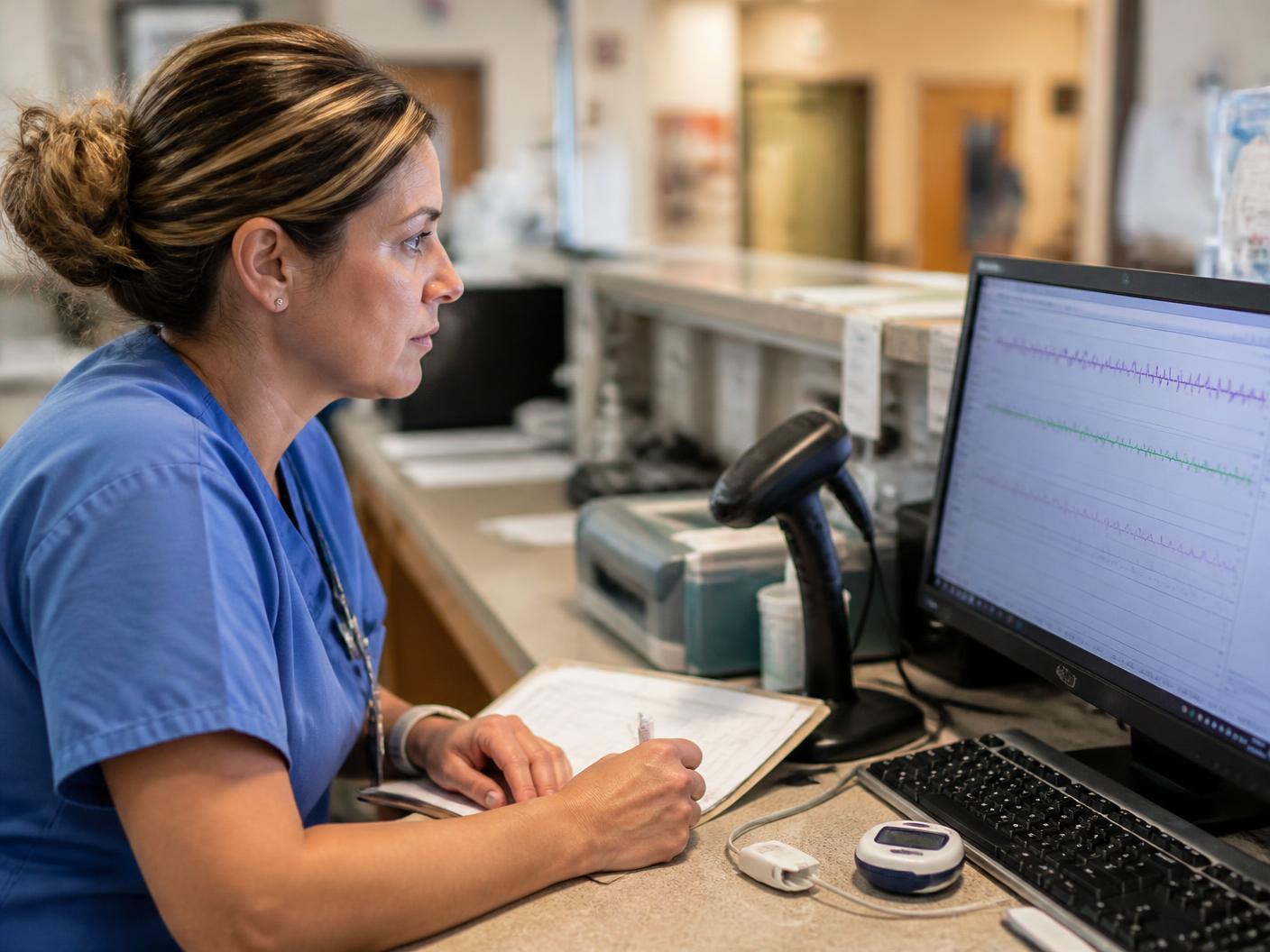
Once a patient is enrolled and transmitting, RPM produces a recurring monthly claim: device supply for the 30-day period, plus clinical review time for the calendar month, plus each additional review increment your staff actually spends.
The mechanism behind the revenue is adherence. A patient who transmits on 16 or more days supports the device supply code; a patient who transmits on 11 days does not, and that month is simply lost. Practices that treat RPM as a set-and-forget enrollment lose a predictable share of every cycle.
We watch the transmission counters through the period rather than reconciling after it closes, so your staff can reach out to a lagging patient while the month can still be saved — and we make sure the review minutes they spend doing it are documented against the right code.
Reimbursement varies by payer and locality. We build a per-patient model on your actual mix before you scale enrollment.
Enrollment, Adherence, Documentation, Claim
Our team works the operational layer of your RPM program. We reconcile device assignments against enrolled patients, track transmission days per 30-day period, and confirm the clinical review time logged in your system supports the codes being reported.
Everything runs inside your existing EHR and device platform. Your clinical staff keep working the way they already do; we supply the billing discipline, the exception lists and the monthly claim cycle.

What Our RPM Billing Covers
The operational and coding work that keeps a remote monitoring program financially sound.
Device Enrollment Billing
Setup and patient education captured under 99453 at the start of each episode of care, not weeks later.
Transmission-Day Tracking
Continuous monitoring against the 16-day requirement in each 30-day period, with exception lists your staff can act on.
Review-Time Documentation
Clinical review minutes reconciled to 99457 and each additional 99458 increment actually worked.
Monthly Claim Cycle
Device supply and management codes submitted on a fixed cadence for every eligible enrolled patient.
Adherence Reporting
Patient-level adherence visibility so outreach happens while the billing period can still be saved.
Multi-Device Programs
Blood pressure cuffs, glucose monitors, pulse oximeters and connected scales handled under one billing workflow.
Documentation Defense
Transmission logs, consent and time records organized so payer or audit requests are answerable.
Program Economics
Monthly reporting on enrolled patients, billed periods, code mix and denial reasons.
Denial Recovery
Rejected RPM claims worked and appealed, with the upstream workflow corrected so the pattern stops.
Find Out What Your RPM Program Is Leaving Behind
Send us a recent month of RPM claims and transmission data. We will show you the periods that failed the 16-day threshold and the review time that was never billed.
Request an RPM ReviewRPM Billing Questions
What practices need to know before launching or scaling remote patient monitoring.
"We were losing device supply claims every month and could not tell why. Their transmission tracking exposed it in the first cycle and our clean claim rate on RPM changed immediately."
Director of Operations
Cardiology Practice, Southeast
"The add-on review time was the surprise. Our staff were doing the work; nobody had built the documentation path to bill it."
Practice Manager
Endocrinology Group
Explore Related Services
Have Questions?
Let's Discuss
Fill out this form, tell us about your practice's unique needs, and get a tailored solution from our revenue cycle experts!
Email Us
contact@drcaremso.com
Response Time
Within 12 Hours
Schedule Your Free Demo
Our team will get in touch with you within 12 hours
Request Your Demo