
Neurosurgery medical billing, from spinal fusion to craniotomy
Certified coders, prior authorization and denial follow-up for neurosurgery groups that bill multilevel spine cases, cranial surgery and neuromonitoring.
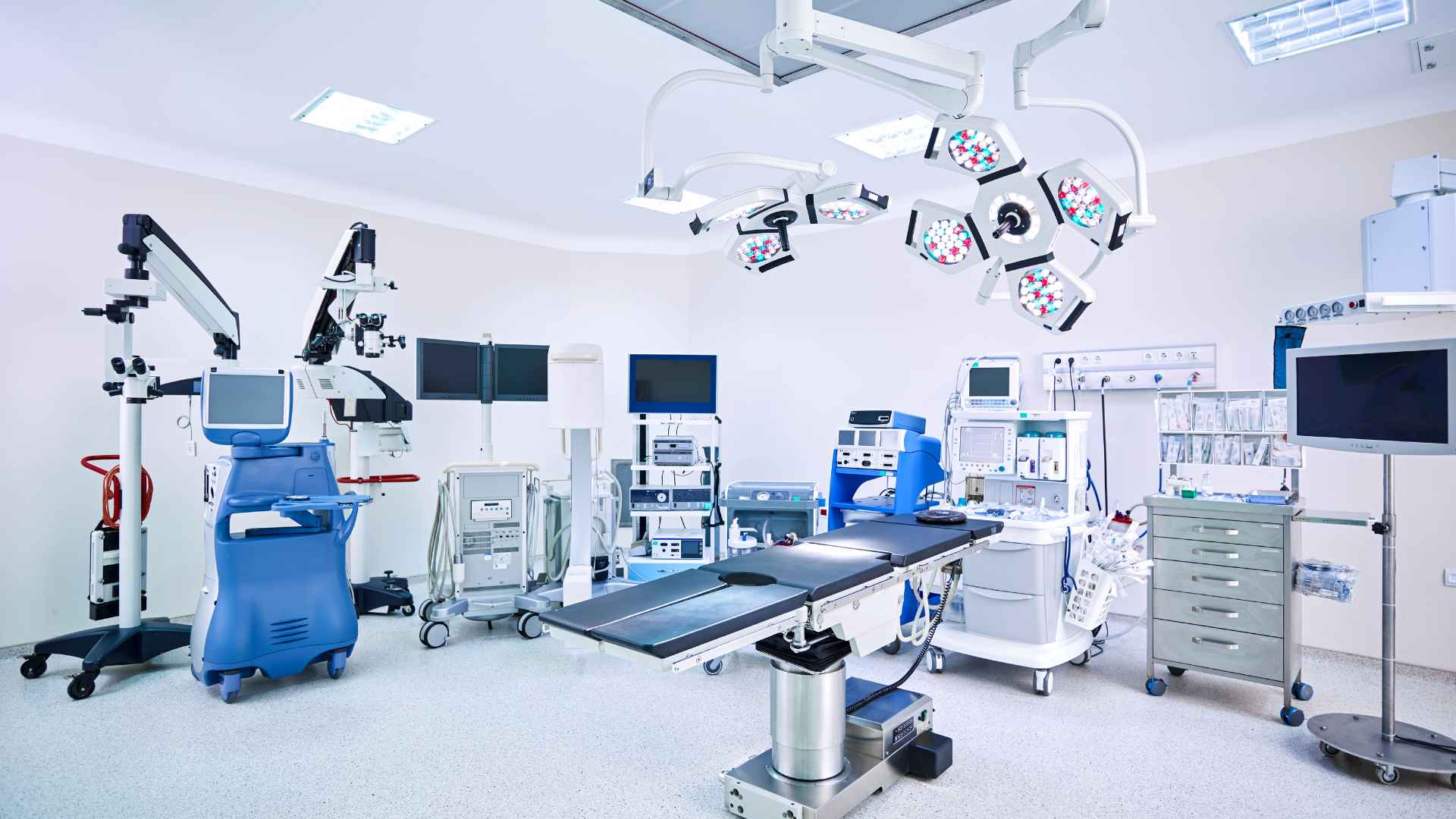
What does a neurosurgery billing company do?
A neurosurgery billing company codes and bills spinal fusion, decompression, cranial surgery and neurostimulator cases, then works every denial through to payment. DrCareMSO coders build multilevel claims level by level, align the co-surgeon claims between both surgeons, route neuromonitoring to the right provider, and track the 90 day global period on each case.
- Updated
Where neurosurgery claims lose money
A neurosurgery claim is built from many lines, shared between surgeons and sometimes between providers. These are the four places we see revenue leave a practice.
Multilevel spine cases billed level by level
A fusion is built from many lines: each level, the instrumentation and the graft. When the note misses a level or a device, revenue is lost before the claim is sent. We capture every level, approach and device at charge entry.
Co-surgeons whose claims must agree
Shared spine exposures only pay when both surgeons bill the case the same way. We align the claims, and the assistant rules, before either one is submitted.
Neuromonitoring billed under the wrong provider
Monitoring is billed by whoever performs it, with a time log behind it, not by the surgeon. We confirm who monitored, for how long and from where before any claim is built.
Spine approvals, trauma and injury cases
Many plans want approval and proof of conservative care before elective spine surgery, and trauma cases add workers compensation, auto and letters of protection. We build each case on its own track before the surgery date.
What we bill in every neurosurgery claim
Our coders work from the full range of neurosurgery procedures, not a general list. Each family below has its own global period and payer rules, and each rule is checked before a claim goes out.
Spinal fusion and instrumentation
Cervical and lumbar fusion, with instrumentation and bone graft billed by level and by segment.
Anterior cervical fusion with discectomy, first level and each added level
Posterolateral lumbar fusion, first level and each added level
Lumbar interbody and combined fusion, first level and each added level
Instrumentation, by segment count and approach
Spine bone graft, by graft type and harvest site
Spinal decompression and disc surgery
Laminectomy, laminotomy, foraminotomy, discectomy and disc replacement, by region and level.
Laminectomy with exploration or decompression
Laminotomy and discectomy, first interspace and each added one
Laminectomy, facetectomy and foraminotomy, first segment and each added one
Cervical and lumbar artificial disc replacement
Cranial surgery
Craniotomy for tumor and hematoma, burr hole drainage and CSF shunts.
Craniotomy for brain tumor, abscess or cyst
Craniotomy for hematoma
Burr hole drainage of a hematoma or cyst
Creation and revision of CSF shunts
Neurostimulation and nerve surgery
Deep brain and spinal cord stimulators, and nerve decompression.
Deep brain stimulation electrodes and generators
Spinal cord stimulator leads and generators
Neuroplasty and nerve decompression, including carpal tunnel release
Radiosurgery and neuromonitoring
Stereotactic radiosurgery and intraoperative monitoring, which are often billed by another provider.
Stereotactic radiosurgery, cranial, by lesion count and complexity
Stereotactic radiosurgery, spinal
Intraoperative neuromonitoring in the operating room, per 15 minutes
Remote intraoperative neuromonitoring, per 15 minutes
How one fusion becomes a claim
A multilevel spine case is built from several lines, and every line depends on what the operative note says. This example shows how the claim is assembled.
Example case
Three level lumbar fusion with instrumentation
L3 to S1, posterolateral technique, with the graft taken through a separate incision. Illustrative only. The real codes depend on the operative note and the payer.
Primary line
Posterolateral fusion, first level
One line for the first level.
Add on line
Posterolateral fusion, each additional levelx 2
One unit for each added level, counted from the operative note.
Add on line
Segmental instrumentation, 3 to 6 vertebral segments
Chosen by the number of segments instrumented.
Only when documented
Autograft for spine surgery, morselized, through a separate incision
Only when the graft is harvested through its own incision.
Only when documented
Pelvic fixation, attaching the instrumentation to the pelvis
Only when the construct extends to the pelvis and the note says so.
Decompression at a fused level is usually included in the fusion code. Co-surgeon, assistant and global period rules then apply to the whole case.
How we run neurosurgery RCM
A five step cycle that starts before the surgery date is set and keeps going until the claim is paid. Each step ends with something you can check.
- 1
Verify coverage and surgical criteria
We verify eligibility and look up the plan's criteria for the exact procedure, then build the approval packet from the visit notes, imaging and the record of conservative care.
What you get: An approval packet and a coverage note before the date is set.
- 2
Capture the case at the source
We work from the operative note, the implant log, the monitoring log and the co-surgeon and assistant list, so every level, device and provider is on the charge.
What you get: A complete charge with levels, approach, devices and providers.
- 3
Code the case level by level
A certified coder sets the primary and add-on procedures, flags co-surgeons, assistants and increased work where the note supports them, and opens the global period in our tracker.
What you get: A clean claim, and a dated global period on file.
- 4
Align co-surgeons and route monitoring
Both surgeons' claims are checked against each other before submission, and the neuromonitoring record is sent to the provider who performed it.
What you get: Matching co-surgeon claims and a monitoring claim with its own owner.
- 5
Submit, work denials and fix the cause
Claims go out electronically, payments are posted against the expected amount, and each denial is corrected or appealed, then grouped by cause every month.
What you get: A monthly denial report with the top causes and what changed.
Why neurosurgery practices choose DrCareMSO
You run the practice and the cases. We run the claims, and we answer for the result.
Certified coders for neurosurgery claims
Your claims are coded by people trained on your specialty, not a general pool.
Approvals before the case is scheduled
Coverage and authorization are checked up front, so surgery and procedures are not held up or denied later.
Every denial worked to payment
We correct, appeal and follow up on each denial, then fix the cause so it does not come back.
A monthly report in plain language
You see what was billed, what was paid and why anything was denied, with no digging through portals.
One neurosurgery group, three leaks, fixed
Scenario: a neurosurgery group losing revenue to multilevel fusion, co-surgeon and neuromonitoring denials. This is how the work changed.
Before
- Multilevel fusions were billed with the first level only, because added levels were not in the charge
- Co-surgery claims were denied when one surgeon billed as a co-surgeon and the other did not
- Neuromonitoring was billed under the surgeon or left unbilled when the time log was missing
After
- Every level, approach and device is captured from the operative note before the claim is built
- Both surgeons' claims are checked against each other before either is submitted
- The monitoring record goes to the provider who performed it, with time in 15 minute units
Neurosurgery billing questions
Straight answers on global periods, multilevel fusion, co-surgeons, neuromonitoring, authorization and starting out.
30 of 30 questions
Schedule Your Free Demo
Our team will get in touch with you within 12 hours
Request Your Demo