
ENT medical billing for sinus, ear and throat care
Certified coders, prior authorization and denial follow-up for ENT practices, from sinus surgery and ear tubes to hearing tests and allergy care.
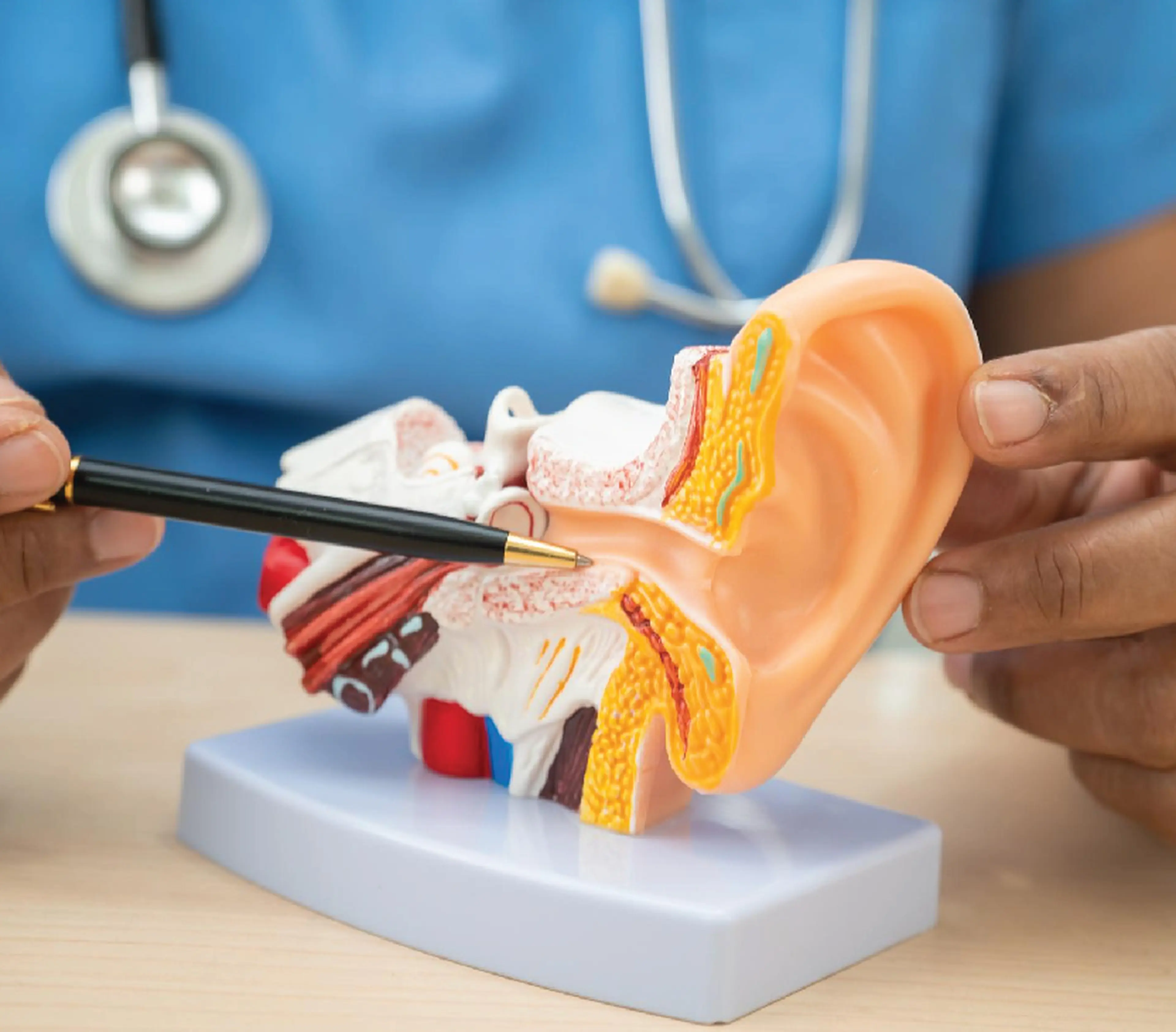
What does an ENT billing company do?
An ENT billing company codes ear, nose and throat visits, nasal endoscopy, sinus surgery, ear tubes, hearing tests, allergy care and sleep surgery, and follows each claim to payment. DrCareMSO coders build sinus claims one sinus and one side at a time, assemble the evidence plans want before sinus surgery, keep audiology and ear procedures on the right lines, and work every denial until it is paid or appealed.
- Updated
Where ENT claims lose money
An ENT practice bills office care, scope work, sinus surgery, ear procedures, hearing tests and allergy care, and each one has its own rules and paperwork. These are the four places we see revenue leave.
Sinus surgery billed one sinus and one side at a time
Each sinus operation is its own line, and each line covers one side. A case on both sides can run to six or eight lines, and a missed side is money left behind. We build the claim from the operative note, sinus by sinus.
Evidence plans want before sinus surgery
Plans commonly want symptoms for at least twelve weeks, endoscopy or scan findings and proof that medical treatment was tried. If one piece is missing the request is denied or sent back, and the surgery waits.
Hearing and balance tests that fall between lines
Hearing and balance testing is billed by test, not by visit, and Medicare does not pay for hearing aids or related exams. Who performs the test, an audiologist or the physician, changes the line, the supervision rules and the payer.
Ear tubes, new office methods and shifting rules
Tube placement is billed differently by setting, age and method, and a newer in-office method with an automated delivery system has its own coding that many payers have not yet priced. Medicare's 2027 proposal also changes how same-day visits and procedures are paid.
What we bill in ENT
Every visit, sinus case, ear procedure and hearing test is coded by an ENT coder and checked against each plan's rules before the claim goes out.
Visits and office exams
Visits and quick procedures, with the same-day rules that go with them.
Sinus and nasal surgery
Sinus operations by sinus and side, balloon methods and nasal procedures.
Ear procedures
Tubes, ear drum repair and ear care, billed by anesthesia type and method.
Hearing and balance testing
Tests billed one at a time, by audiologist or practice, with supervision rules.
Throat, airway and head and neck surgery
Tonsil and adenoid surgery, scopes, voice work and larger operations.
Allergy testing and immunotherapy
Testing, serum preparation and injection visits, with the supervision rules payers check.
How we run ENT RCM
Five steps, from before the visit to the paid claim.
Verify coverage and approval
We check each plan's rules and request approval for sinus surgery, sleep surgery and implants before the date.
What you get
A coverage and approval note on the patient.
Capture the case
We read the operative note, endoscopy findings, hearing tests and implant log so every sinus, side and test is on the charge.
What you get
A complete charge with sinuses, sides and tests.
Code sinus by sinus
A certified coder builds one line per sinus and side, matches each test to its own line and opens the global period.
What you get
A clean charge with a dated global period.
Check bundling and same-day rules
Every line is run against the bundling tables, and a visit billed with a procedure is checked for separate documentation.
What you get
A charge that matches the edit tables.
Submit and work denials
Claims go out electronically, payments are matched, and each denial is fixed or appealed, then grouped by cause.
What you get
A monthly denial report with what changed.
What your ENT practice gets with DrCareMSO
You run the practice and the cases. We run the claims, and we answer for the result.
Certified ENT coders
Coders who build claims sinus by sinus
Your claims are built by coders trained on otolaryngology, from a diagnostic nasal endoscopy to sleep surgery, and kept current on the 2026 and proposed 2027 Medicare changes.
Approvals before the date is booked
We check coverage and approval for sinus surgery, sleep surgery and implants first, so the case is not held up or denied later.
Operative notes read sinus by sinus
Sinus, side, tissue removal and balloon use all change the claim, so the note is read before the charge is built.
Every denial worked to payment
We correct, appeal and follow up on each one, then fix the cause so it stops repeating.
A monthly report in plain language
What was billed, what was paid and why anything was denied, plus a tracker for global periods and approvals.
Tell us how your practice bills today, and we will tell you where we would start.
Talk to a specialist
One ENT group, three leaks, fixed
Scenario: an ENT group losing revenue to missed sinus lines, sinus approvals sent back for records and audiology tests on the wrong lines. This is how the work changed.
Before
- Sinus cases were billed from the surgeon's summary, so some sinuses and sides were never sent
- Approval requests went out without the scan report or the treatment dates, and several came back for records
- Hearing tests were billed as one visit charge, and some were denied for no order on file
After
- Every sinus case is built from the operative note, one line for each sinus and side
- Approval packets are checked against a list of the evidence the plan asks for before they go out
- Each hearing and balance test has its own line, with the order and the performing provider on file
ENT billing questions
Straight answers on Medicare changes, sinus surgery, ear tubes, hearing tests, sleep surgery, allergy care, modifiers, denials and starting out.
34 of 34 questions